
Freelance editor for ARJES GmbH
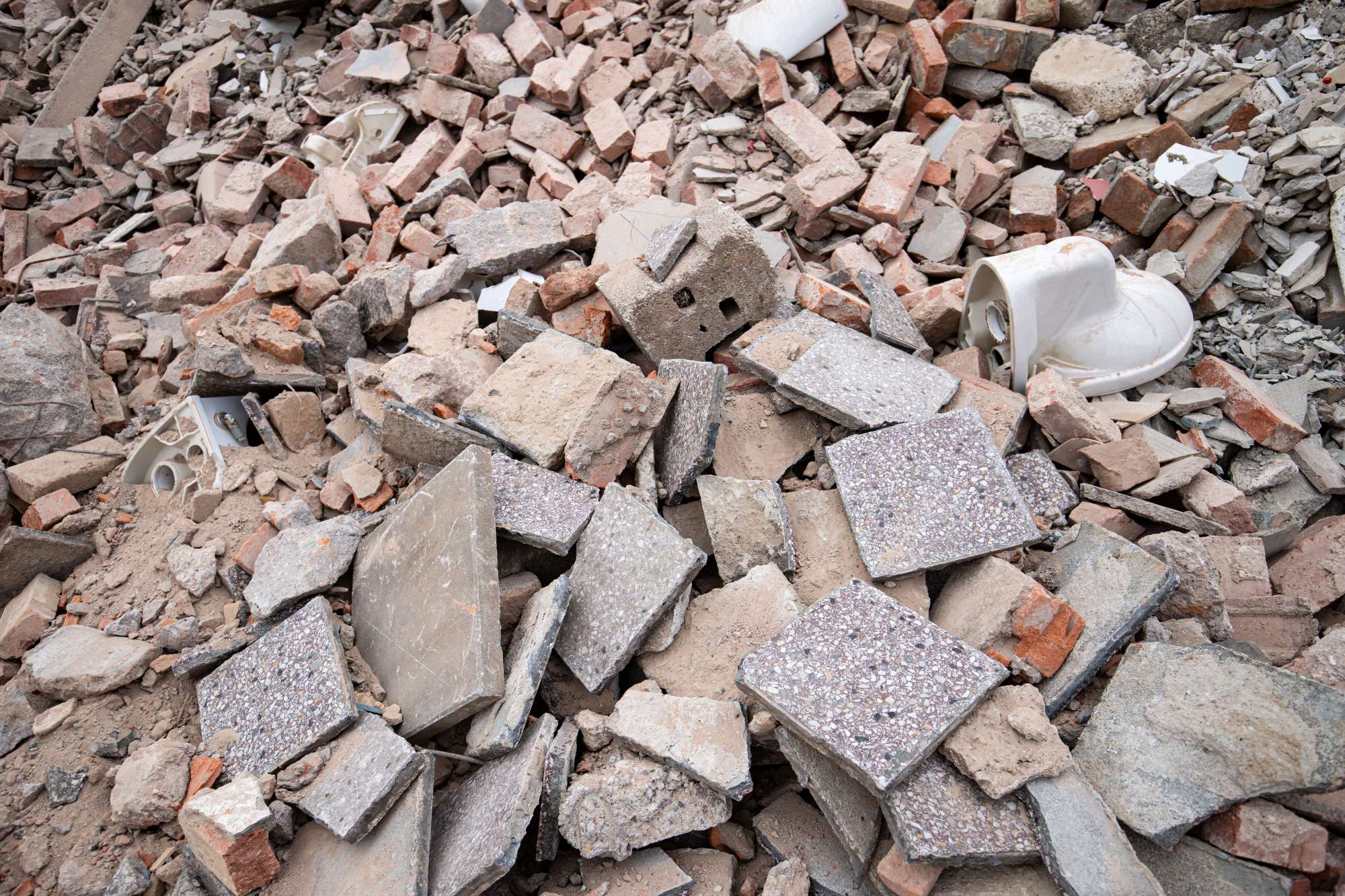
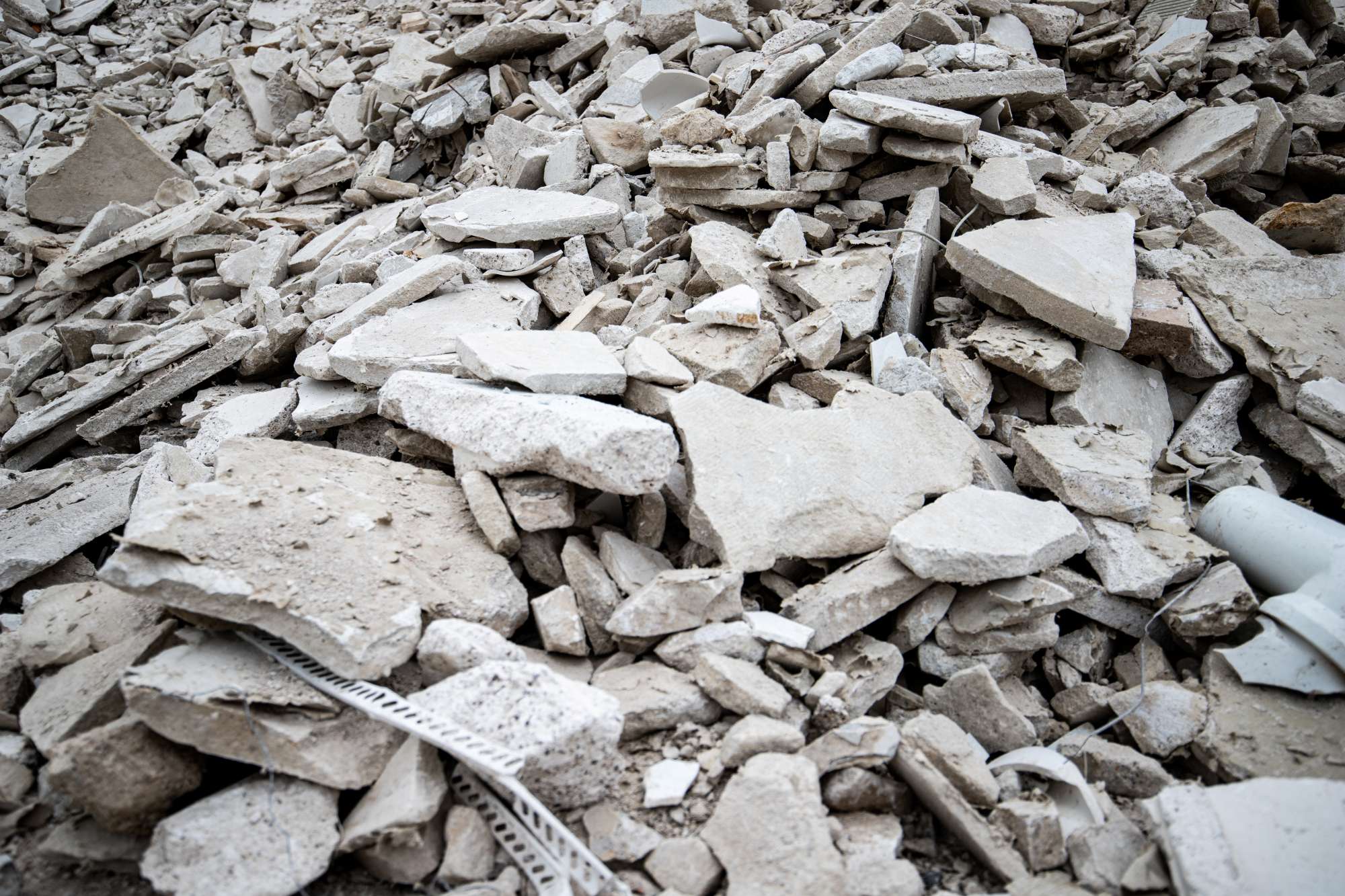
Concrete is one of the most widely used construction materials on the planet. Every year, Germany alone produces millions of tonnes of construction rubble – a large share of it concrete. So why bury valuable material in a landfill when it can be reused?
In times of shrinking raw‑material reserves and rising prices, recycled concrete offers a true chance to save resources. But how exactly does the process work and what needs to be considered before old concrete gets a second life? Read on to find out.

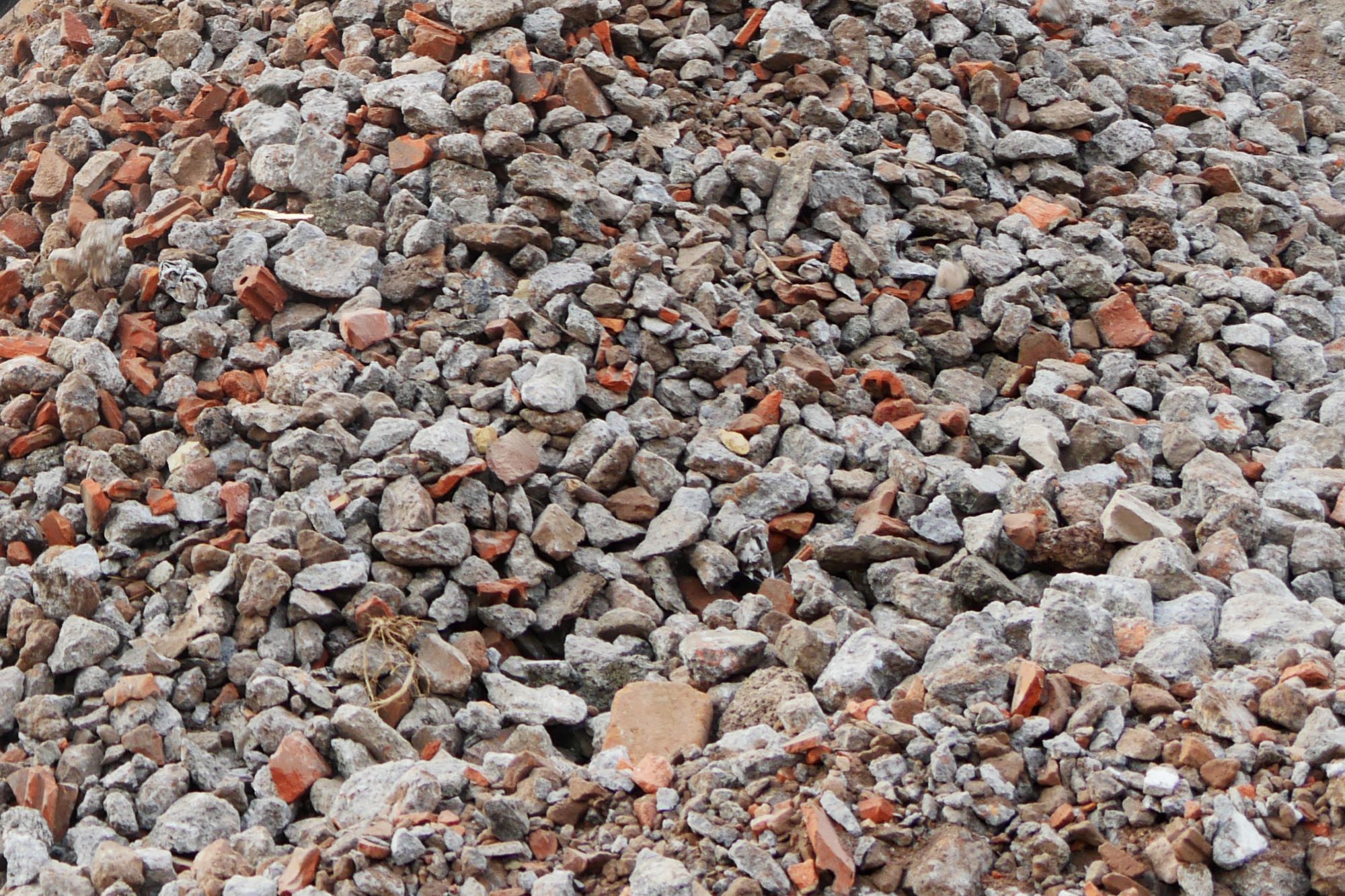
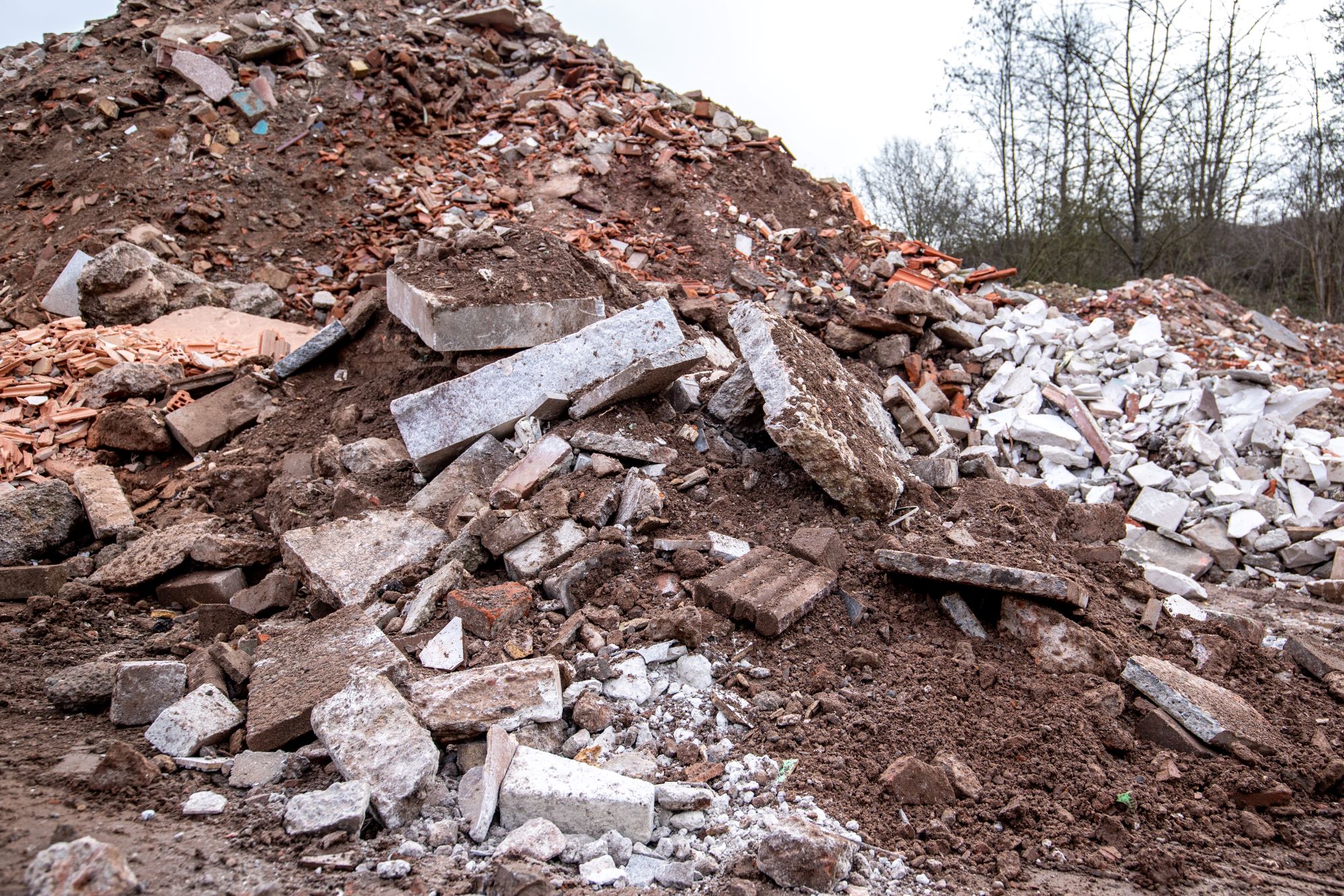
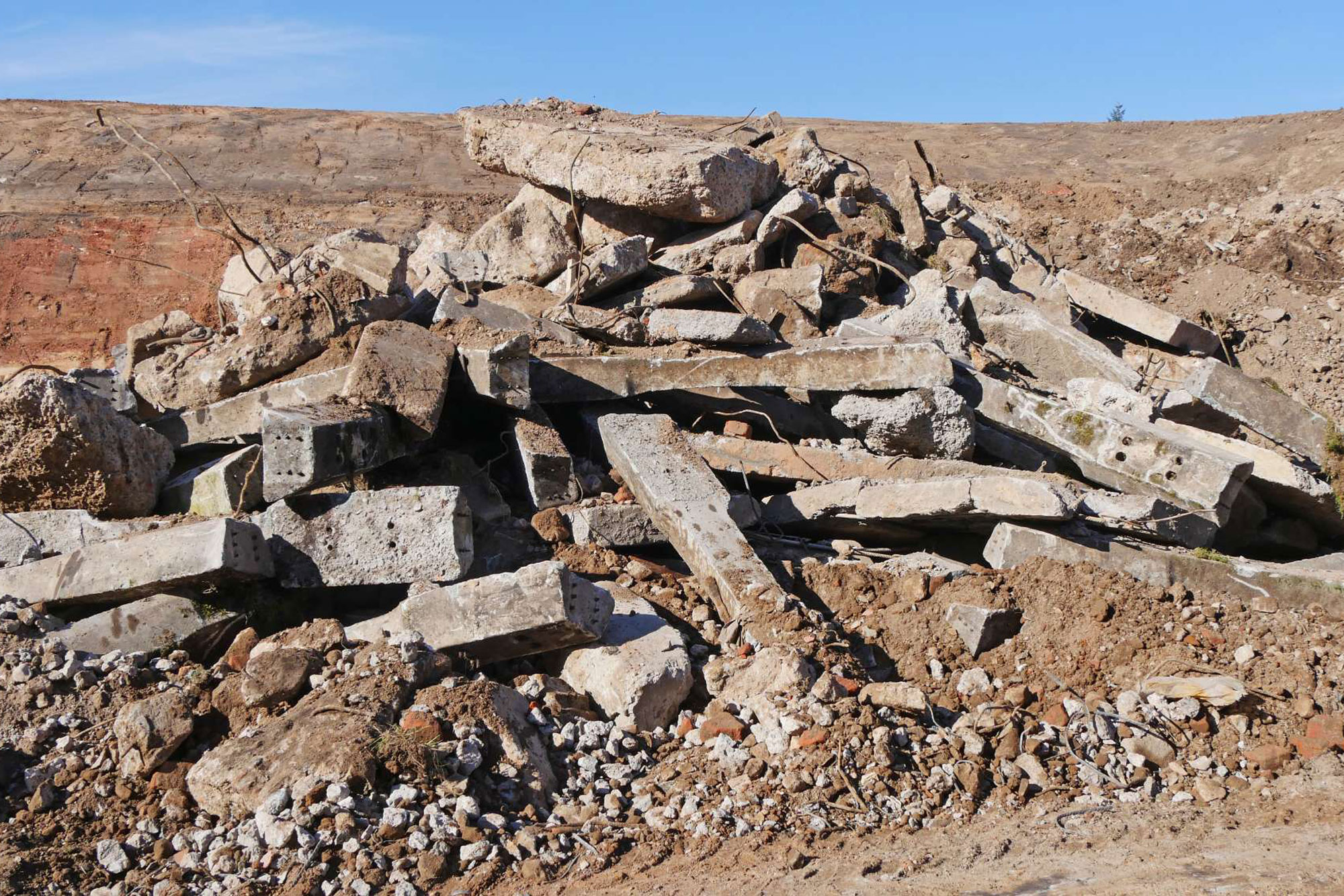
Concrete may sound modern, yet its roots go way back. The Romans mixed lime, volcanic ash and water to erect their iconic structures. Recipes and production methods have changed over the centuries, but one fact remains: concrete is versatile and durable – and eventually turns into demolition waste.
In times of scarcity, stones, bricks or even entire elements were often reused. Today, reuse is not just a financial option – it’s an ecological necessity. Modern rubble, though, is far more complex: reinforced concrete, composites, coatings and other add‑ons make selective separation harder. This is where concrete recycling comes in. If building elements are dismantled separately, much of the material can be processed for new purposes and fed back into the economy.
Concrete recycling means processing old concrete – for example from demolition projects – into new aggregates (“recycled aggregate”). These aggregates can then be turned into recycled concrete that serves in many fields, from roadbeds and foundations to precast elements.
Imagine your city demolishes an outdated multi‑storey car park:
The workflow can be summarised in five easy‑to‑grasp steps
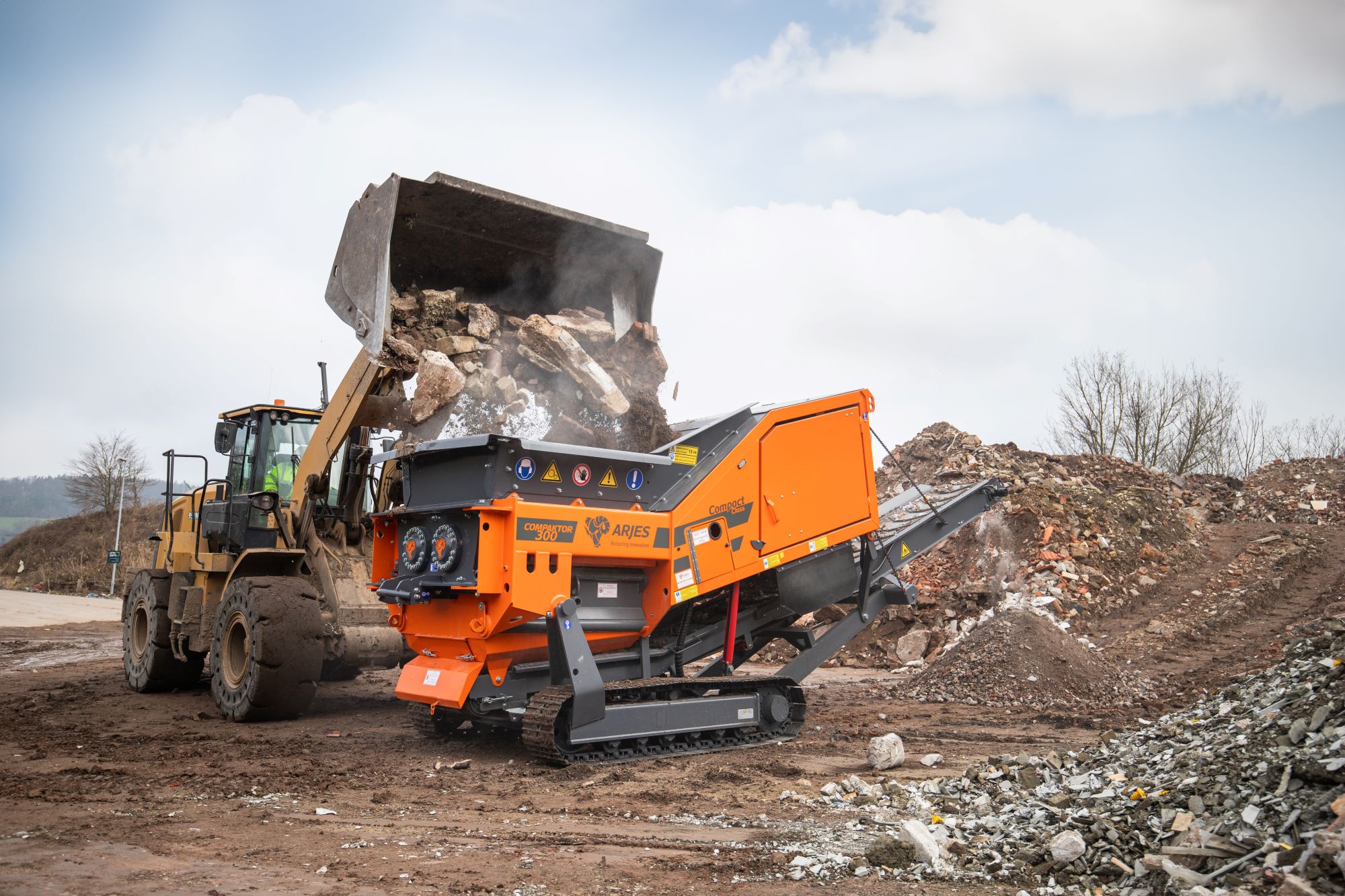
Site example: A WWII bunker is demolished. A crawler excavator feeds large chunks onto a mobile shredder. After crushing and sorting, clean, graded aggregate remains – ready for reuse without the need to quarry new gravel.
Concrete recycling delivers a triple dividend: it shrinks our ecological footprint, stabilises construction budgets and builds public trust. By turning yesterday’s rubble into tomorrow’s resource we drastically cut quarrying and the CO₂‑heavy production of virgin aggregate, while keeping scarce landfill space free.
Contractors who switch to recycled aggregates also protect themselves against volatile raw‑material prices and meet the tightening sustainability criteria seen in public tenders—turning compliance into a marketing advantage. Local authorities profit as well, because circular procurement keeps money in the region and reduces truck traffic. In short, recycling concrete transforms a disposal headache into a strategic asset for every stakeholder.
Recycled concrete isn’t a niche material; it has quietly become a workhorse across the construction spectrum. From heavy‑load infrastructure to small backyard makeovers, there is a fitting use‑case for every quality grade. Below are a few of the most common applications:
Real‑life nugget: A homeowner removed an old terrace, crushed the slabs and reused the material as sub‑base for a garden path – saving disposal fees and the cost of new gravel.

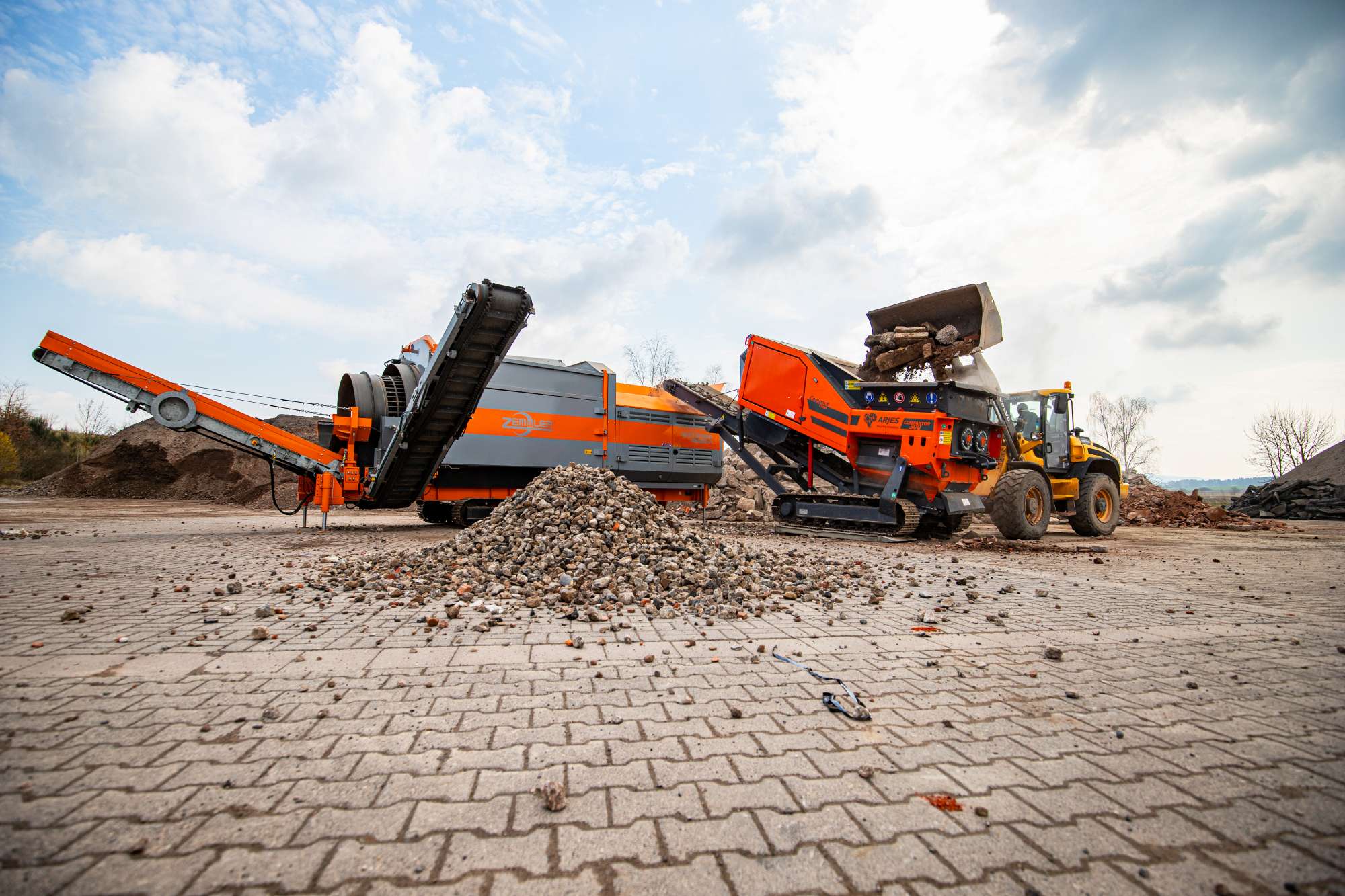
Concrete recycling needs robust machines, not rocket science:

More and more mobile crushers drive straight onto the building site, cutting long truck hauls to a recycling plant.
Concrete recycling benefits everyone: it relieves landfills, saves money, preserves resources and improves the construction industry’s eco balance. Whether you process rubble from a city‑scale project or from a private patio, the potential is immense. Going forward, expect wider use of mobile shredders and smart sorting tech to push recycling efficiency even further.
No Greenwashing – Recycled concrete must be deployed in truly relevant volumes. Large projects deserve real quality and environmental diligence.
What’s Next? – AI‑assisted sorters, electro‑dynamic fragmentation or carbon‑binding processes could become mainstream within the next few years.
Going forward, expect wider use of mobile shredders and smart sorting tech to push recycling efficiency even further.
Recycled concrete has gained real momentum. Rising material prices, limited landfill space and growing eco awareness will only accelerate the trend. So why not turn the old into the new and help the planet at the same time? Next time you plan to demolish a slab or lay lawn‑grid blocks, remember concrete recycling.
You need to load content from reCAPTCHA to submit the form. Please note that doing so will share data with third-party providers.
More Information


