

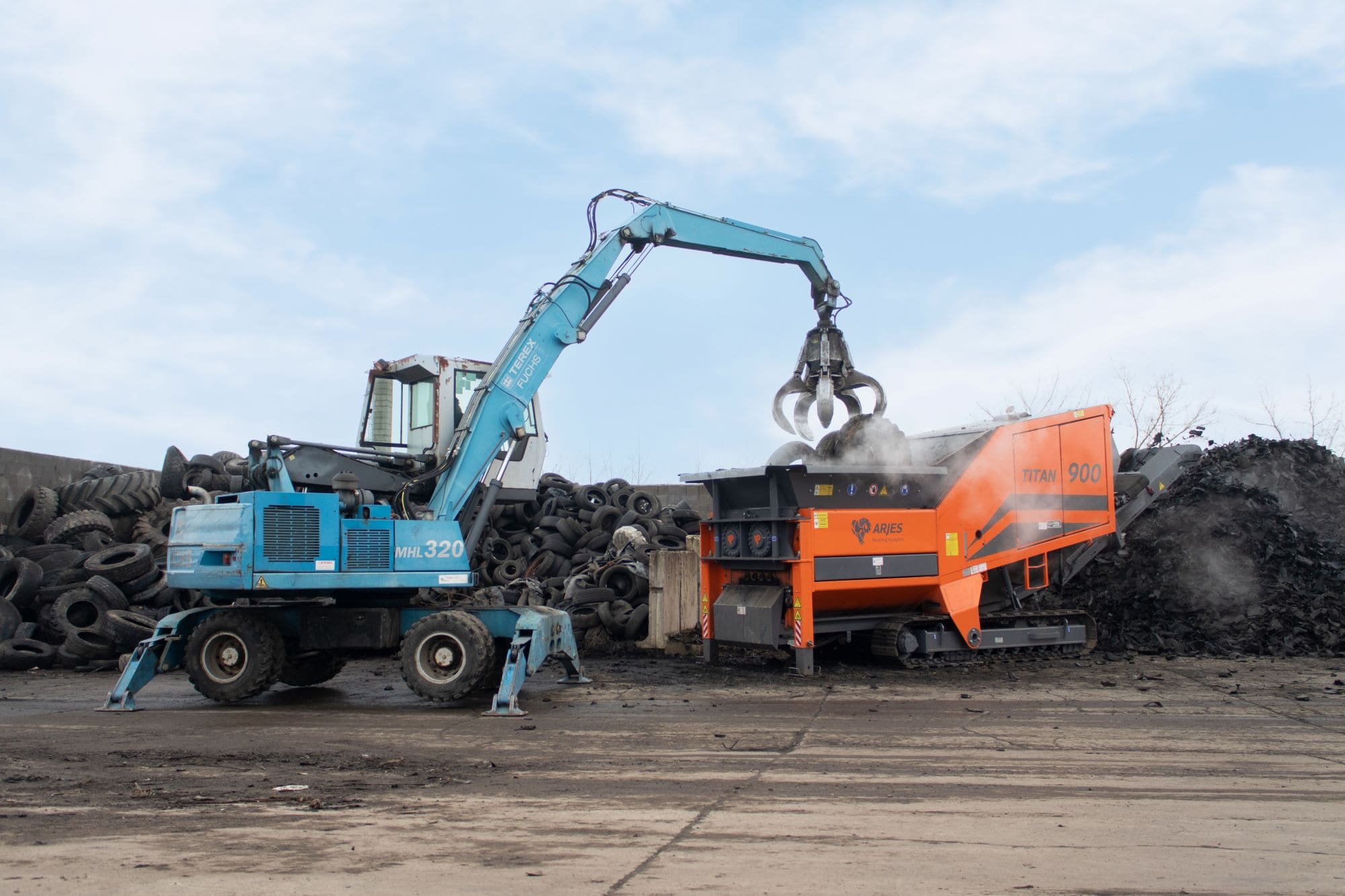
two-shaft shredders explained in simple terms
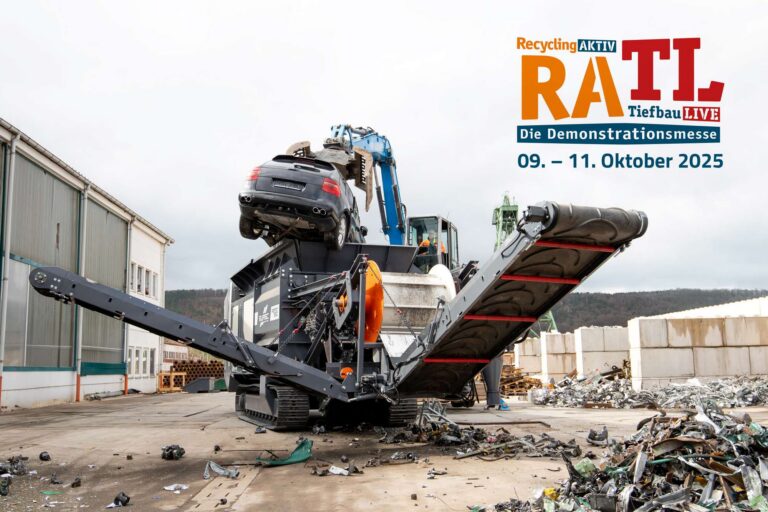
From end-of-life vehicle to fraction – process chain when shredding vehicles
Before a body becomes a clean fraction, it goes through four steps that combine safety and quality targets.

Depollution
operating fluids, refrigerants, pyrotechnics and (for EVs) HV batteries are removed and documented.
Dismantling
marketable spare parts go into reuse; remaining assemblies move to shredding.
Pre-shredding
bodies, engine blocks, axles and all remaining components are significantly reduced in volume.
Sorting
ferrous metals, non-ferrous metals and light fractions are separated; residual materials can be treated in a targeted way.
This is the technology that matters – reduce volume and separate material cleanly
Intelligent controls and robust mechanics for maximum availability
Service-friendly design and power options – ready for any job
Service-friendly design and power options – ready for any job
Depollution first
remove and document fluids, refrigerants and pyrotechnics.
HV batteries
de-energise, store in a fire-safe manner, recycle separately.
Emissions & dust control
enclosure, extraction and filter concepts for personnel and environmental protection.
Evidence
mass balances, material-flow documentation, regular inspections.
Those who implement these points consistently achieve robust legal certainty and strong occupational safety – from emptying to the documented handover to specialist waste contractors. Enclosure, extraction and effective filtration measurably reduce dust and emissions; inspection intervals keep limit values stable. Clean process control also increases fraction quality, simplifies marketing and reduces disposal costs for residual materials. For EVs, defined HV procedures, fire-safety logistics and trained staff are mandatory. This keeps the line predictable, compliant and economical even with fluctuating input.
Concentrated shredding power for metal scrap – the new EuRec FERRO 950
Specify vehicle shredders properly, market fractions better
FAQ: Vehicle Shredder
Is a hammer mill always necessary?
Is pre-shredding enough for complete bodies?
What does throughput depend on?
What needs to be considered for high-voltage batteries?
Which cost factors are relevant?
Energy demand, wear, downtime and logistics shape ongoing operating costs (also called OPEX); dust control and permitting requirements add to this. Tool geometry, shaft configuration and feeding influence costs significantly. Regular service intervals and quick-change systems reduce failures; stable output qualities improve revenues and secure offtake contracts over the long term.