
Freelance editor for ARJES GmbH
Paper is with us in almost every aspect of life – whether as a book page, packaging material, writing pad, or toilet paper. In Germany, paper is among the most important everyday goods, and according to the German Federal Environment Agency, the paper consumption here reached several million tons in 2022. To meet this constantly growing demand, advanced methods are used, because when we talk about how to make paper or how to make a paper in an industrial context, it often comes down to recycled fibers.
But how is paper made without putting too much strain on the environment? A key factor lies in the circular economy for materials, which promotes the use of recycling wood. Learn about the importance of modern shredding machines – such as ARJES’s paper and wood shredders – in the recycling process and how they contribute to green paper products and resource-friendly paper manufacturing.


The oldest finds of paper-like materials date back to ancient China. The development of a precursor to modern paper is often attributed to the imperial official Cai Lun around 105 AD. From there, the knowledge of how to make in paper traveled the Silk Road to Central Asia and eventually reached the Middle East and medieval Europe.
The original process, in which plant fibers – especially hemp, flax, or tree bark – were pulped and mixed with water into a thin slurry (pulp) that dried into sheets, still forms the basis of today’s paper industry. The big innovation was (and still is) the use of wood fibers. Through chemical and mechanical methods, stable paper fibers can be obtained from wood. And instead of using fresh wood only, paper manufacturers increasingly rely on recycled paper and recycled waste wood as a raw material source.
Paper primarily consists of plant-based fibers pressed and dried into a thin layer. However, there are other important components:

Combining these substances ultimately results in what we commonly recognize as a sheet of paper. Fillers and additives significantly alter quality, weight, and stability. Paper manufacturers in Germany are especially successful in using paper from waste paper and recycled wood to improve the ecological footprint. This is a major step toward is paper recyclable efforts and sustainable production.
Traditionally, the industry distinguishes between two basic approaches to papermaking how to when fresh wood is used:
In practice, these methods are often combined, and waste paper is mixed in so different paper grades can be created. As sustainability becomes more critical, who invented paper and the historical journey are less of a question than how we continue to innovate – for example, by integrating how to make a paper from recycled materials.
The next step in how to making paper industrially is preparing the raw fiber materials in water. This mixture is known as pulp or fiber slurry. It’s then fed onto an endless screen, where the water initially drains off. Additional pressing and drying stages form and smooth a continuous sheet of paper until it reaches the desired strength. Finally, it is either rolled up or cut into standard formats for distribution.
Because more and more fibers come from waste paper, cardboard, and recycled waste wood, facilities specializing in waste paper processing have become well-established. In these plants, used paper is softened in water (deinking) and freed from printing inks, glue, staples, or other contaminants, as necessary. This ensures is wrapping paper recyclable efforts remain efficient.
Traditionally, fresh wood from conifers like spruce or pine has been used (about 40% of raw materials). Today, there’s a strong push to increase the share of reused fibers and secondary materials. Another opportunity arises from preparing waste wood:
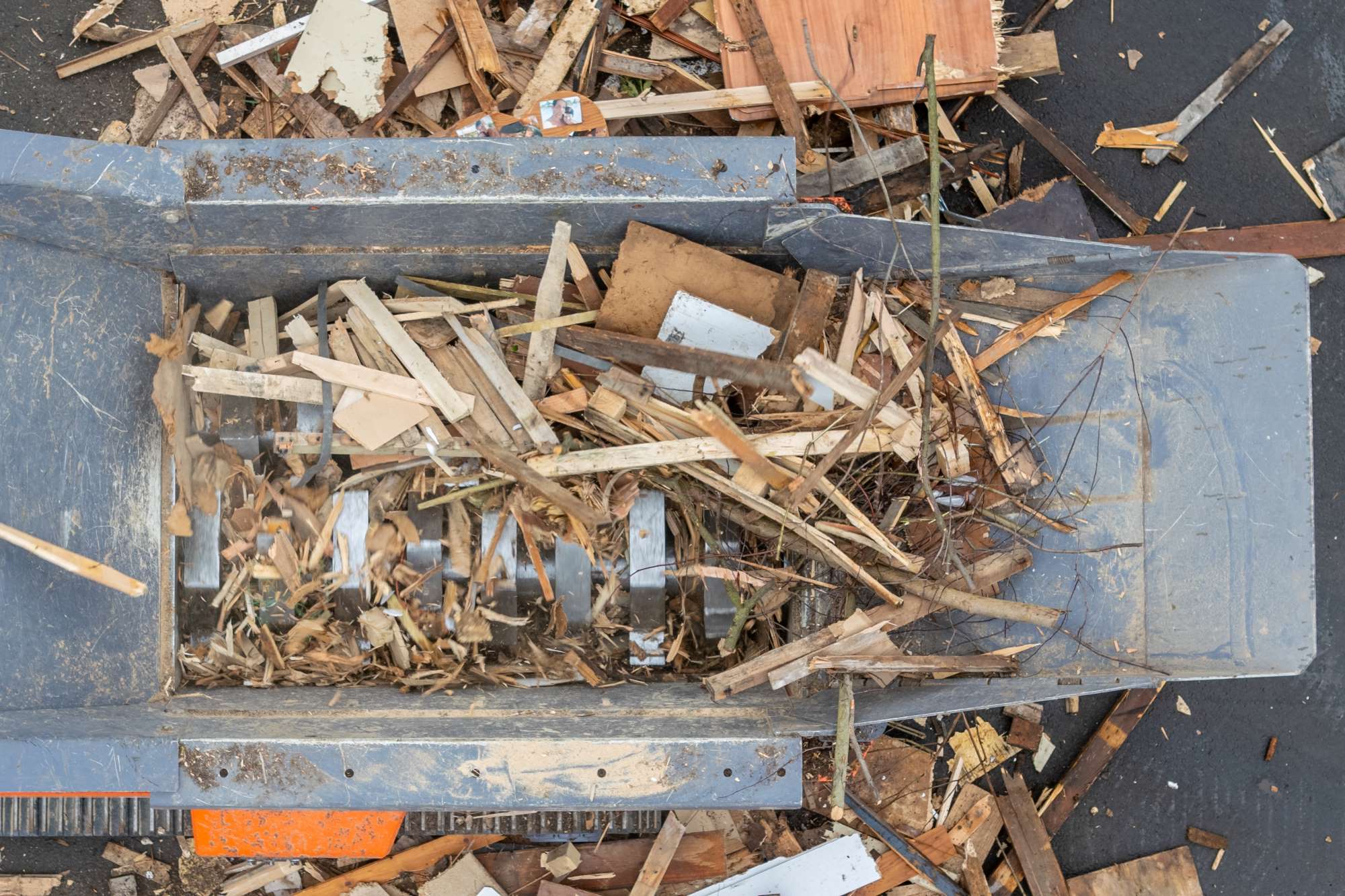
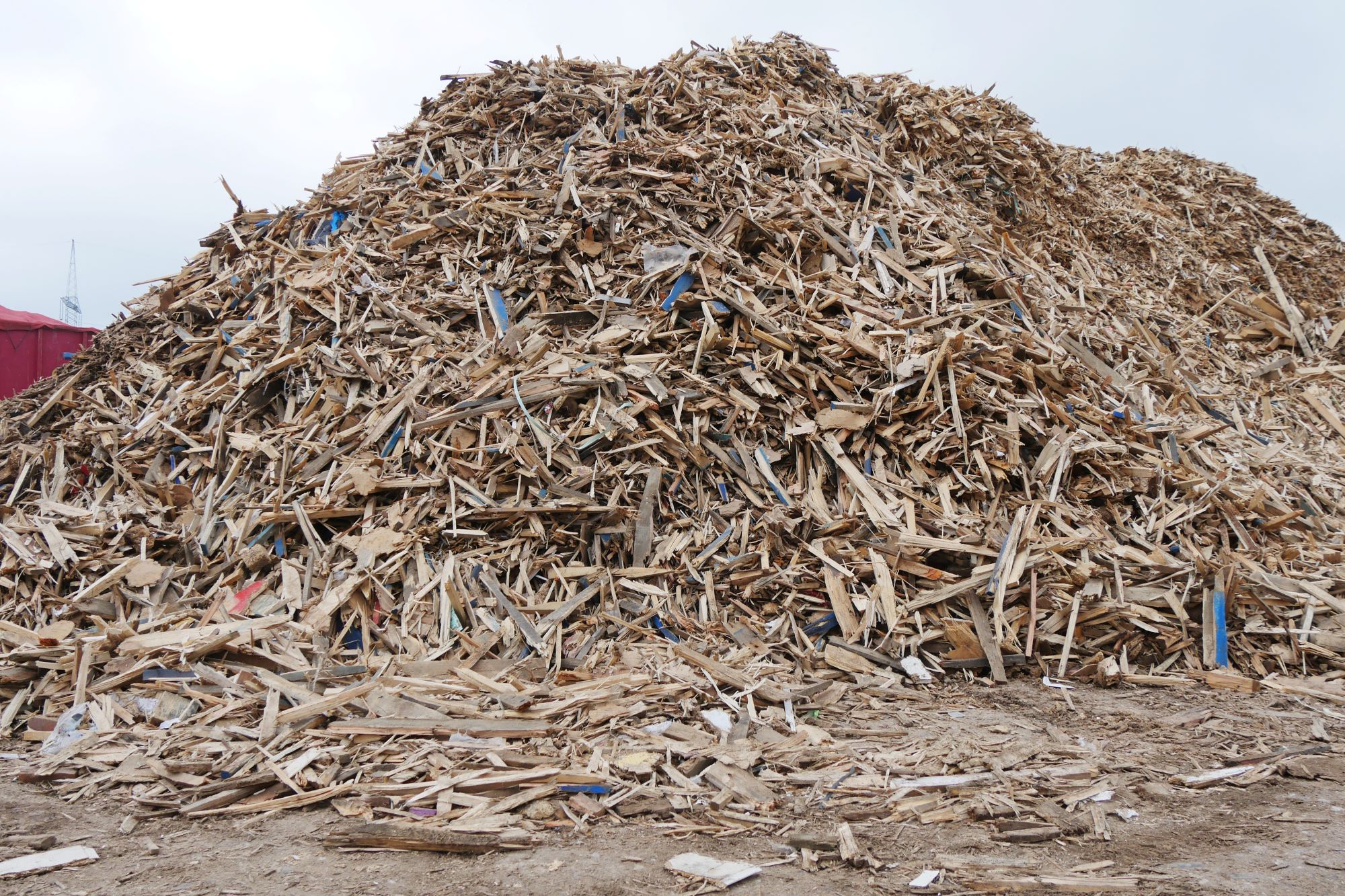
One of the biggest hurdles on the path to more recycling and an eco-friendly paper manufacturing process is the condition of the starting material. Wood waste is often bulky, dirty, or contaminated with metal (e.g., nails). This is where ARJES shredders come into play:
ARJES focuses on robust and user-friendly systems to support a stable circular economy over the long term. The prepared wood residues or fiber materials can then be processed in pulp and paper mills to create new paper products. Without shredding and sorting, much of the potential recycle paper material would be too unwieldy or too contaminated for further use.
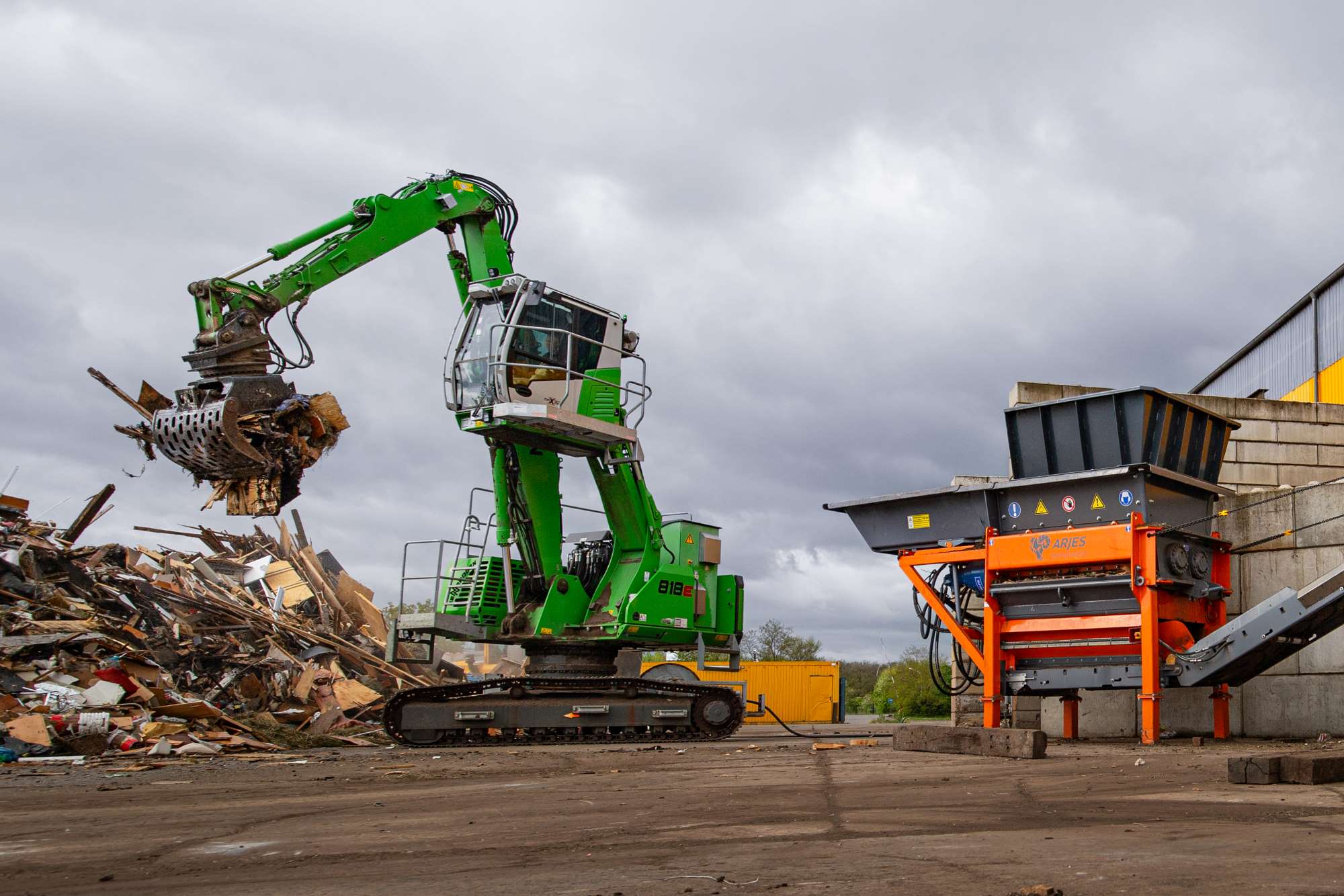

Paper manufacturers in Germany rank among the world leaders in innovation and efficiency. Large paper corporations operate cutting-edge facilities where every fiber is used to its fullest potential. Meanwhile, many medium-sized businesses specialize in certain grades, like recycled cardboard, lightweight paper, or specialty papers.

By increasingly using handmade from paper approaches for niche products or scaling industrial processes for big volumes, they can reduce the consumption of fresh fibers. This highlights why turning seemingly “worthless” scraps into usable raw materials is so vital – whether through ARJES shredding technologies or appropriate sorting systems.
You need to load content from reCAPTCHA to submit the form. Please note that doing so will share data with third-party providers.
More Information

