



A Quick Glance at the History of Concrete
From Old to New – What Is Concrete Recycling?

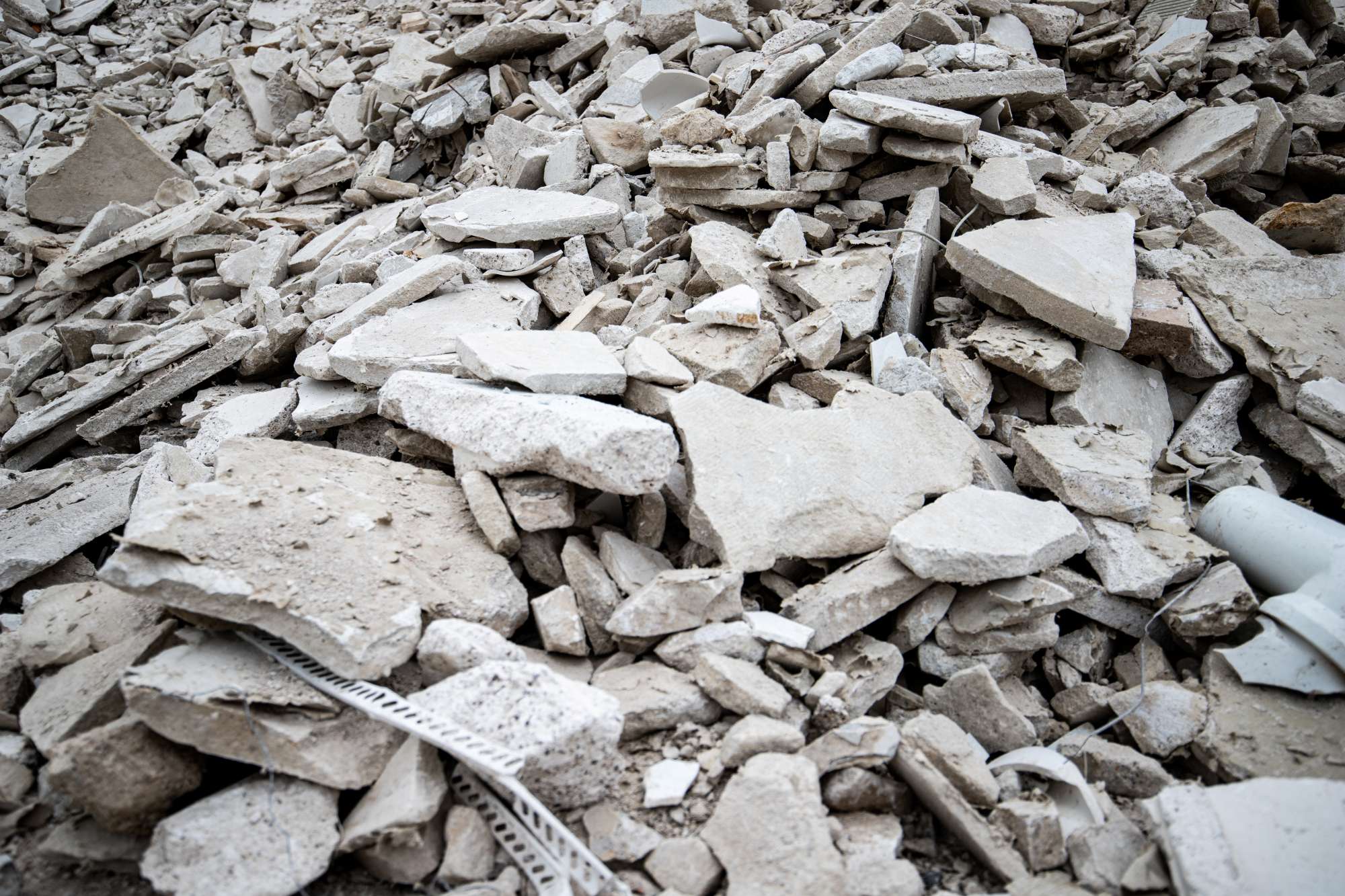
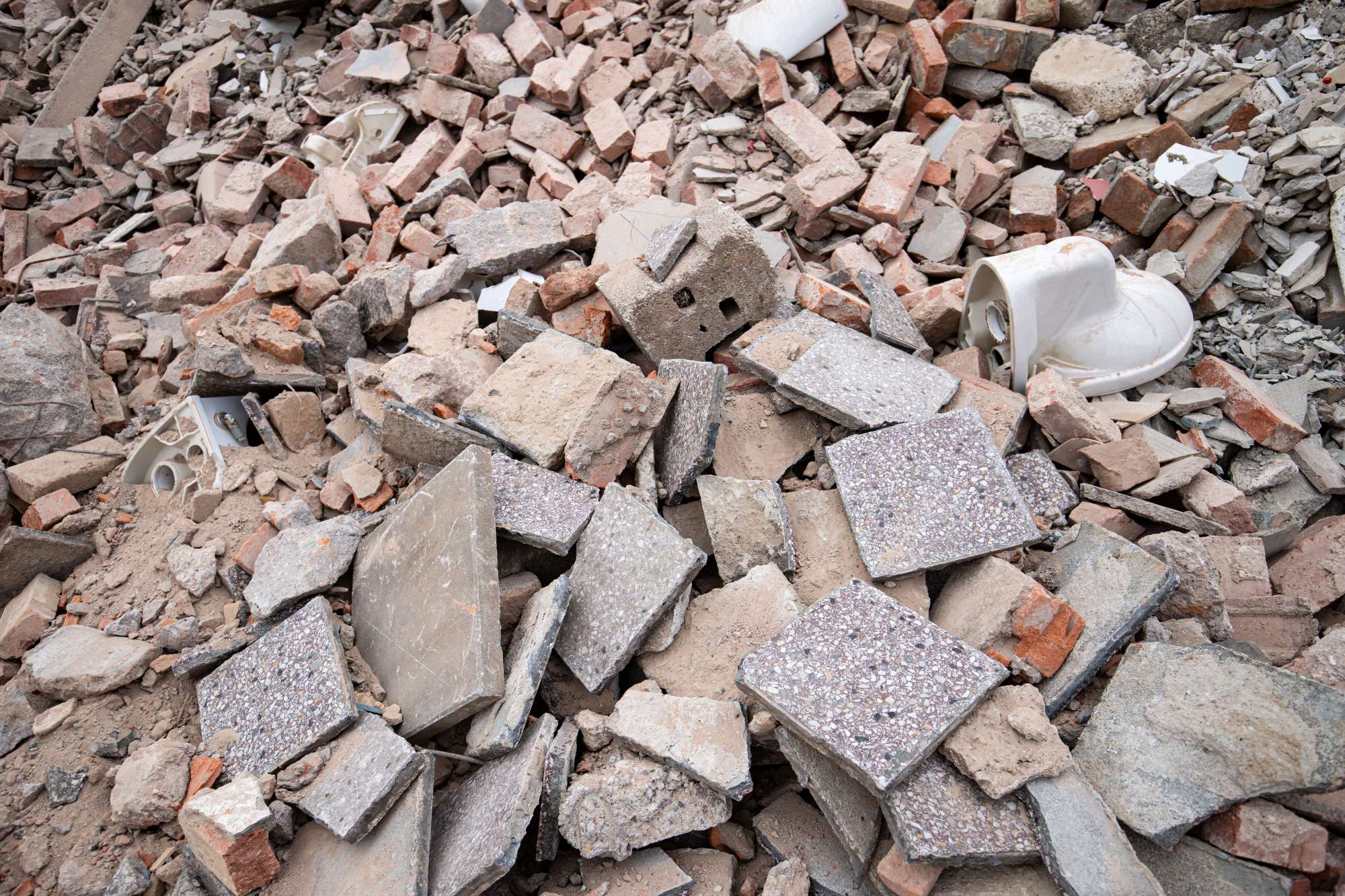
Big concrete slabs and chunks are collected on site.
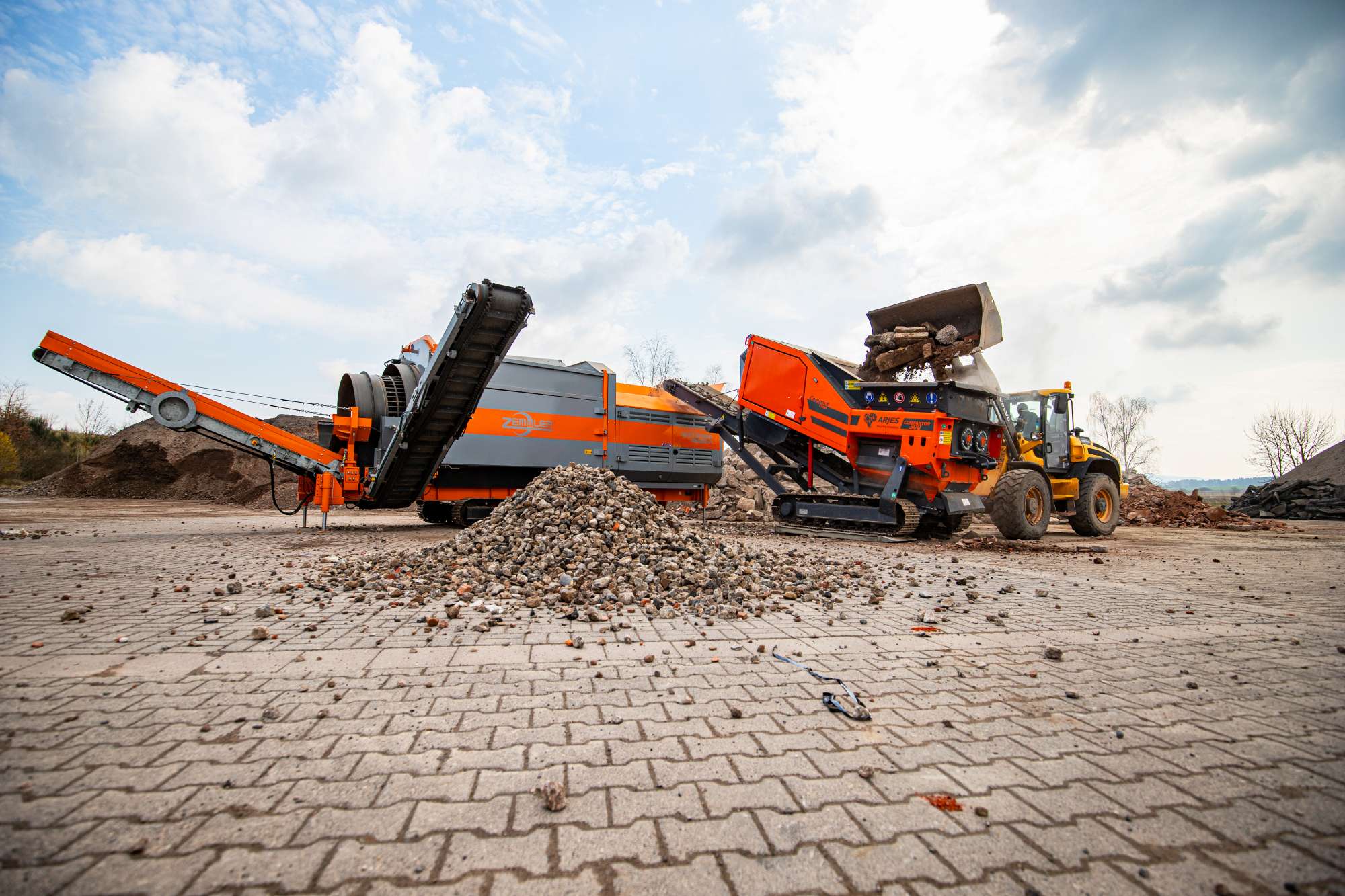
The concrete is broken down and foreign materials such as steel are removed.
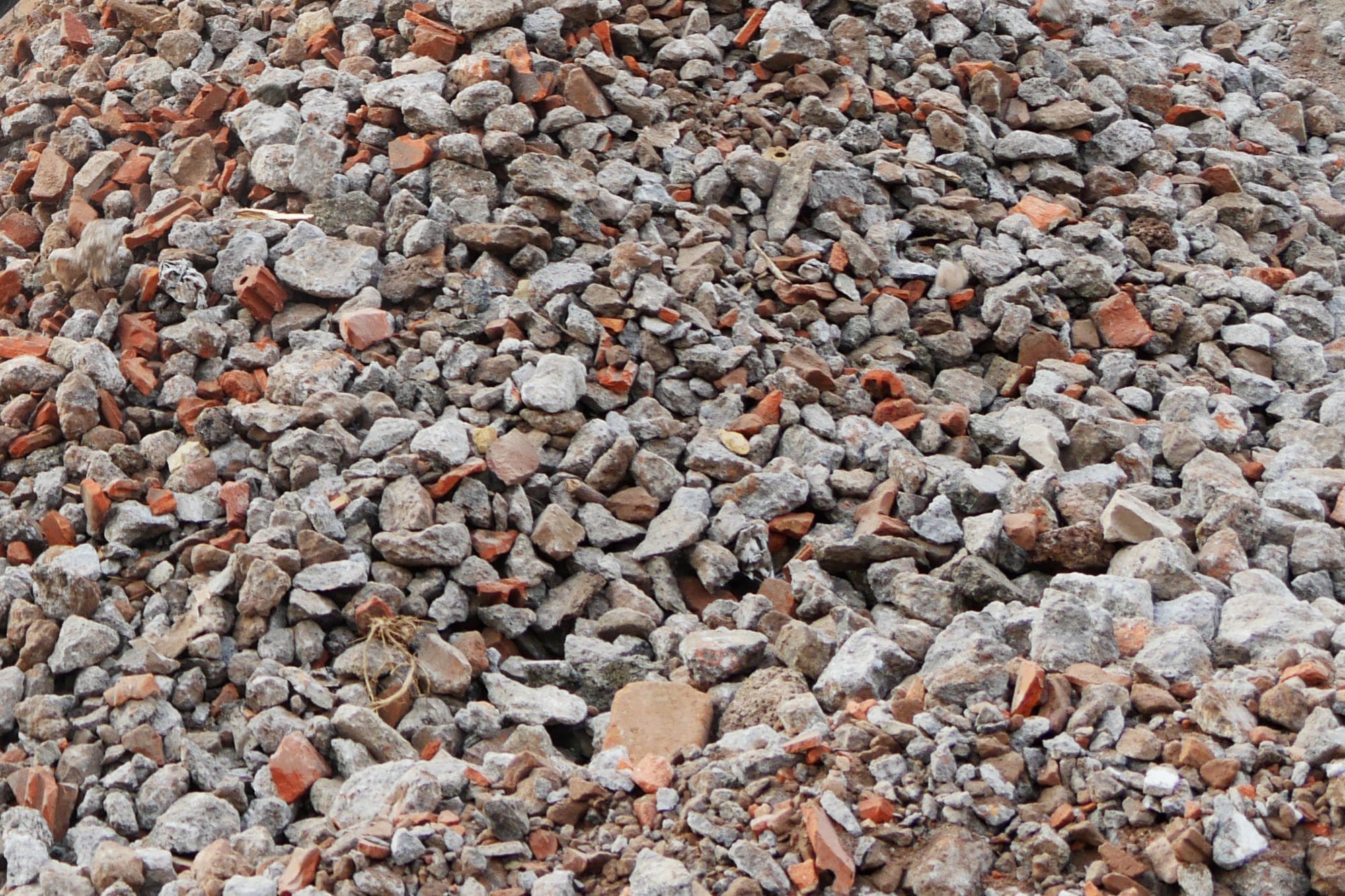
The resulting recycled aggregate can later act as sub‑base for roads or – when quality allows – directly replace virgin aggregate in fresh concrete.
How Does Concrete Recycling Work?
1. Selective Demolition
2. Size Reduction
3. Sorting
4. Further Processing
5. Reuse
Why Is Concrete Recycling Important?
Environmental relief
By reusing existing aggregates, fewer natural resources such as sand, gravel or quarried stone are extracted. This helps to preserve the landscape and reduces the need for new extraction sites.
Cost savings
Recycled concrete is often cheaper than virgin raw materials, particularly when transport distances are short. At the same time, landfill costs are reduced because less waste is generated.
Climate protection
The production of cement (the ‘binder’ in concrete) is energy-intensive and generates CO₂ emissions. If parts of the concrete are reused, less ‘fresh’ cement needs to be produced. This reduces the carbon footprint.
Where Is Recycled Concrete Used?
Foundations
Many houses and industrial buildings can be built partly on recycled concrete, provided that the compressive strength requirements are met.
Gardening and landscaping
For example, as a base for paths, patios or lawn pavers. So anyone planning to lay concrete lawn pavers can use recycled material.
Paving stones, slabs or precast concrete elements
Some manufacturers are already using recycled aggregates in their products.
Muscle & Brain – With What Is Concrete Recycled?

Powerful Crushers
Sorting Technology
Skilled Crew