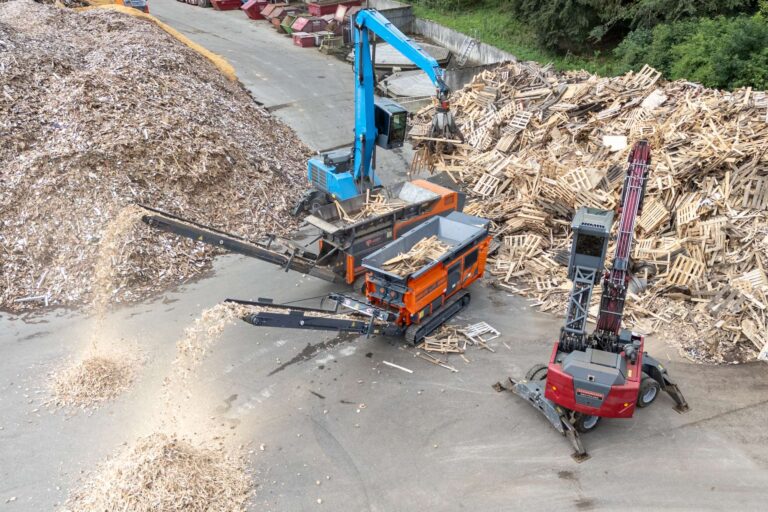


But how is paper produced without placing an excessive burden on the environment? The paper recycling loop plays a key role by promoting the use of recycled wood. Find out what role modern shredding machines – such as the paper and wood shredders from ARJES – play in the recycling process and how they contribute to resource-efficient paper production.


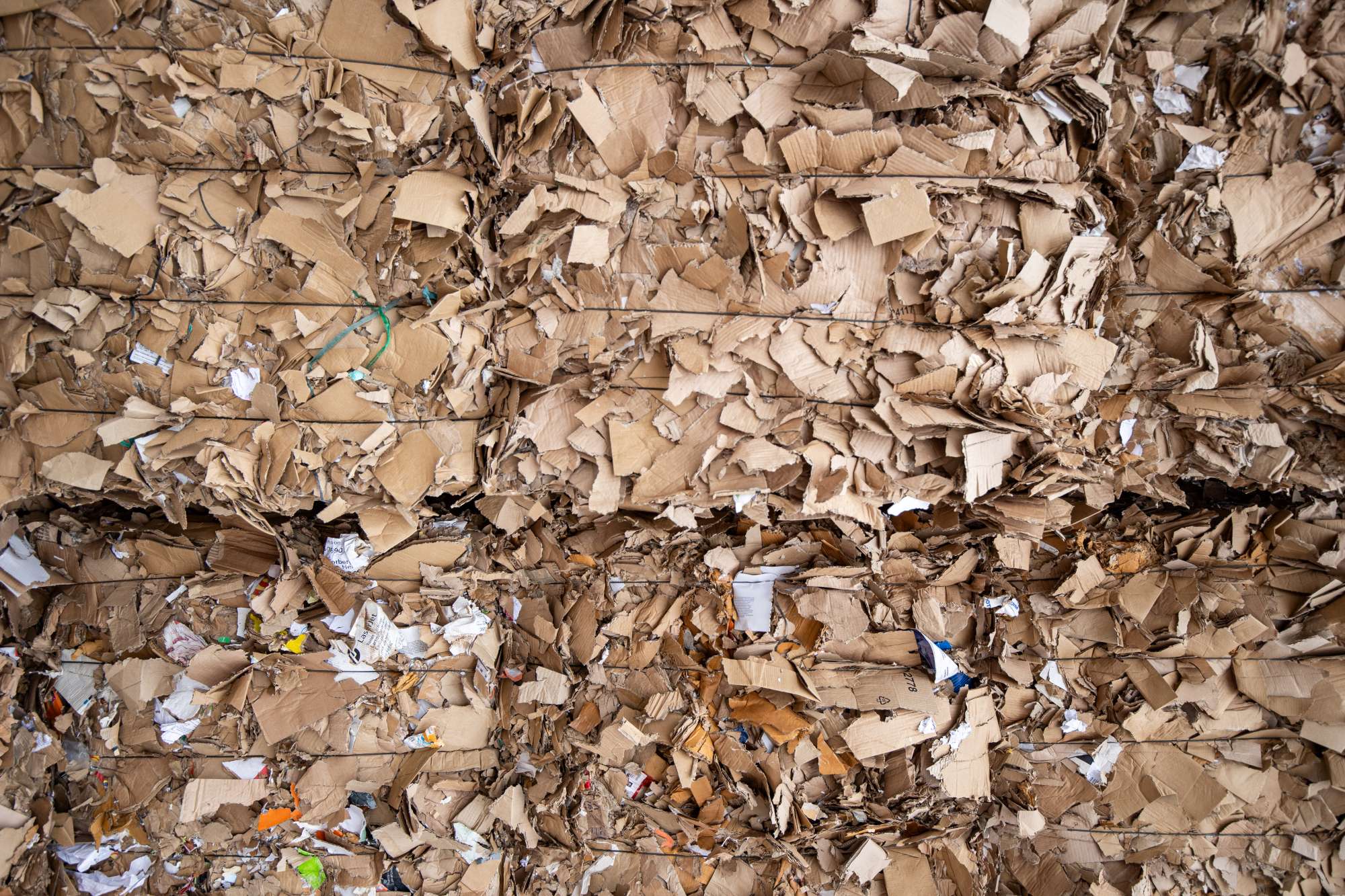
A quick look back in history: Since when has paper existed?
The original process, in which plant fibres – especially hemp, flax or tree bark – were pulped and mixed with water into a thin, drying slurry (pulp), still forms the basis of the modern paper industry today. The key innovation was and remains the use of wood fibres. Chemical and mechanical processes can be used to obtain stable paper fibres from them. And instead of using only fresh wood, there is an increasing focus on waste paper and recycled waste wood as a source of raw materials.
What is paper made of? The basic materials at a glance
Paper consists primarily of plant fibres that are pressed into an ultra-thin layer and dried. In detail, however, other components are also important:

Fibres
Groundwood (mechanically produced), pulp (chemically produced), waste paper fibres (recycling)
Fillers
Clay minerals, chalk or kaolin to smooth or improve the surface, as well as starches or resins to increase strength
Water
Basic component of paper pulp
Chemical additives
Depending on the intended use, bleaching agents, sizing agents, dyes and much more are added
How is paper made?
Mechanical process (groundwood)
In this process, the wood is pulped directly (ground). The energy input is high, but the fibre yield remains relatively large.
Chemical process (pulp)
In this process, the wood is treated in so-called “cooking processes” with lyes and other chemicals to dissolve the lignins (wood binders). The result is a very pure fibre product called pulp.
Fun facts about paper: Did you know…
How thick a sheet of paper is?
How long a DIN A4 sheet is?
Since when paper has been available in DIN formats?
How long an A4 sheet is if you stick them together end to end?
Reuse
What role does waste wood play in modern paper production?
Traditional paper production
Instead of sourcing only freshly felled wood from forestry operations, root wood, trunks from storm damage and industrial wood waste (e.g. offcuts from sawmills) are now also used, provided they are not chemically contaminated.
Waste wood from the construction sector
Large quantities arise here, which can often be used for thermal recovery. Wherever possible, less-treated residues should be fed into papermaking processes, provided the fibre quality is sufficient.
Wood recycling in the furniture industry
Offcuts are a valuable source of raw materials. Instead of disposing of them by incineration, the right shredding and sorting processes can make them usable for paper mills.
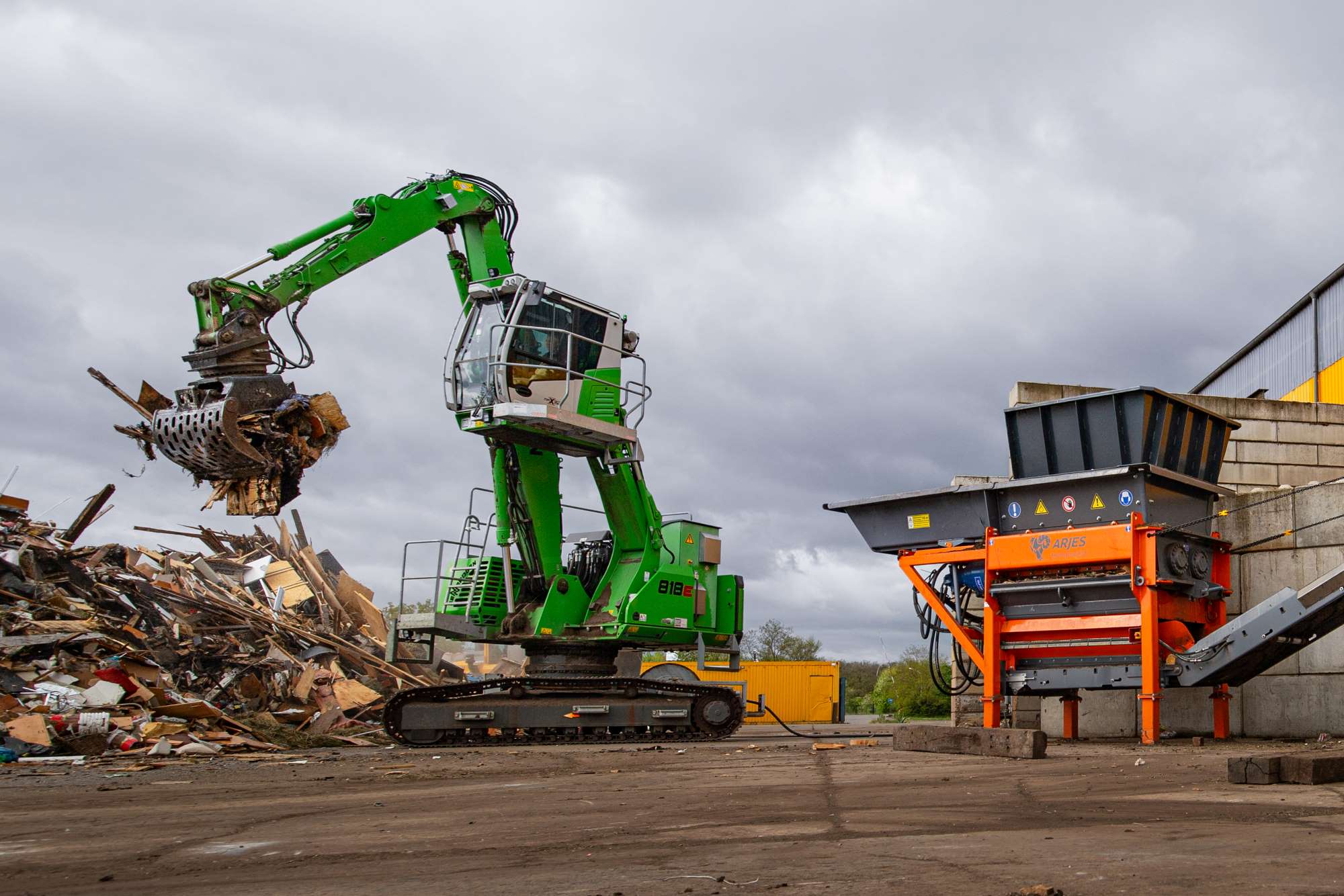
Why ARJES wood shredders matter
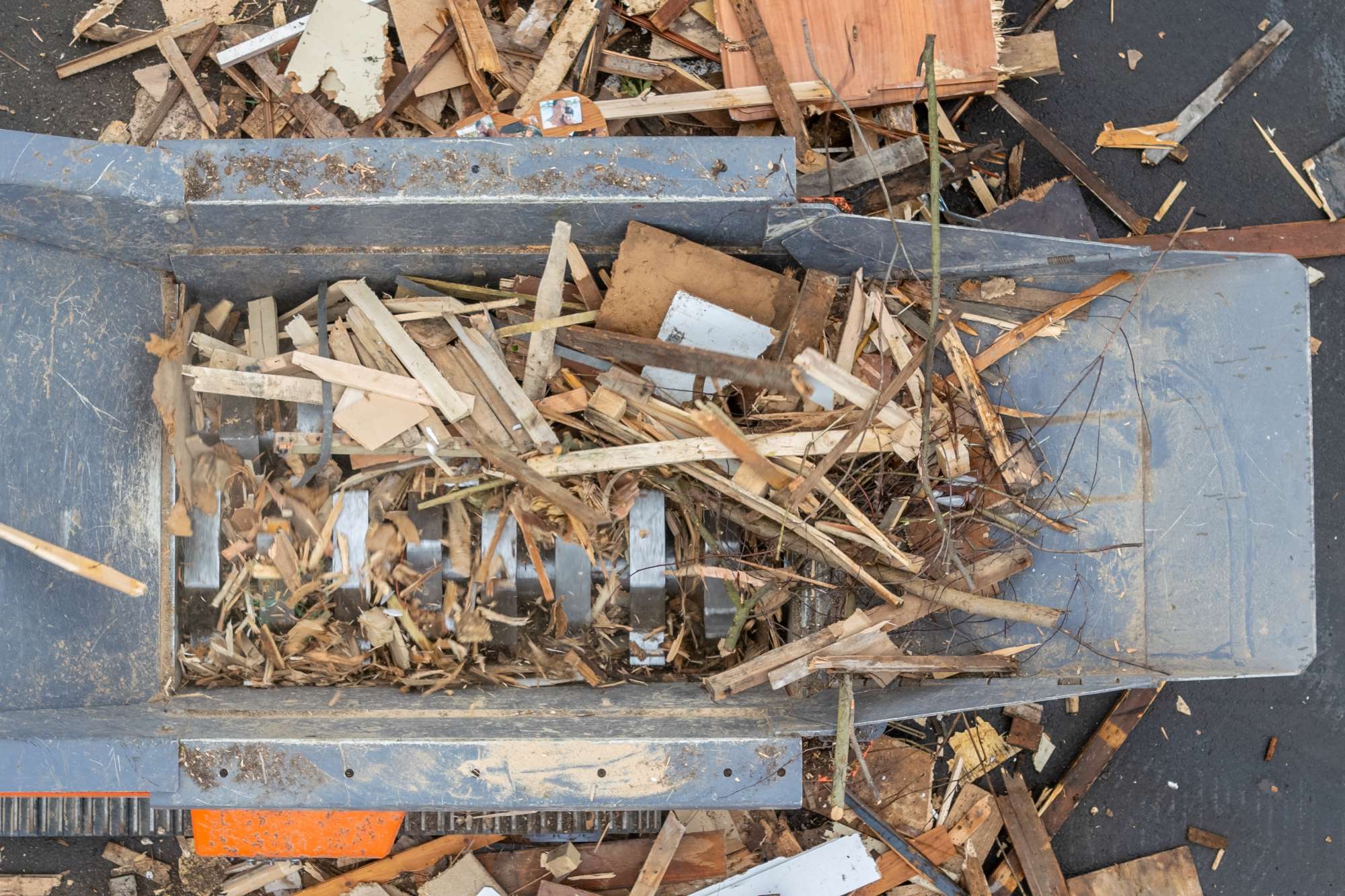
Efficient volume reduction
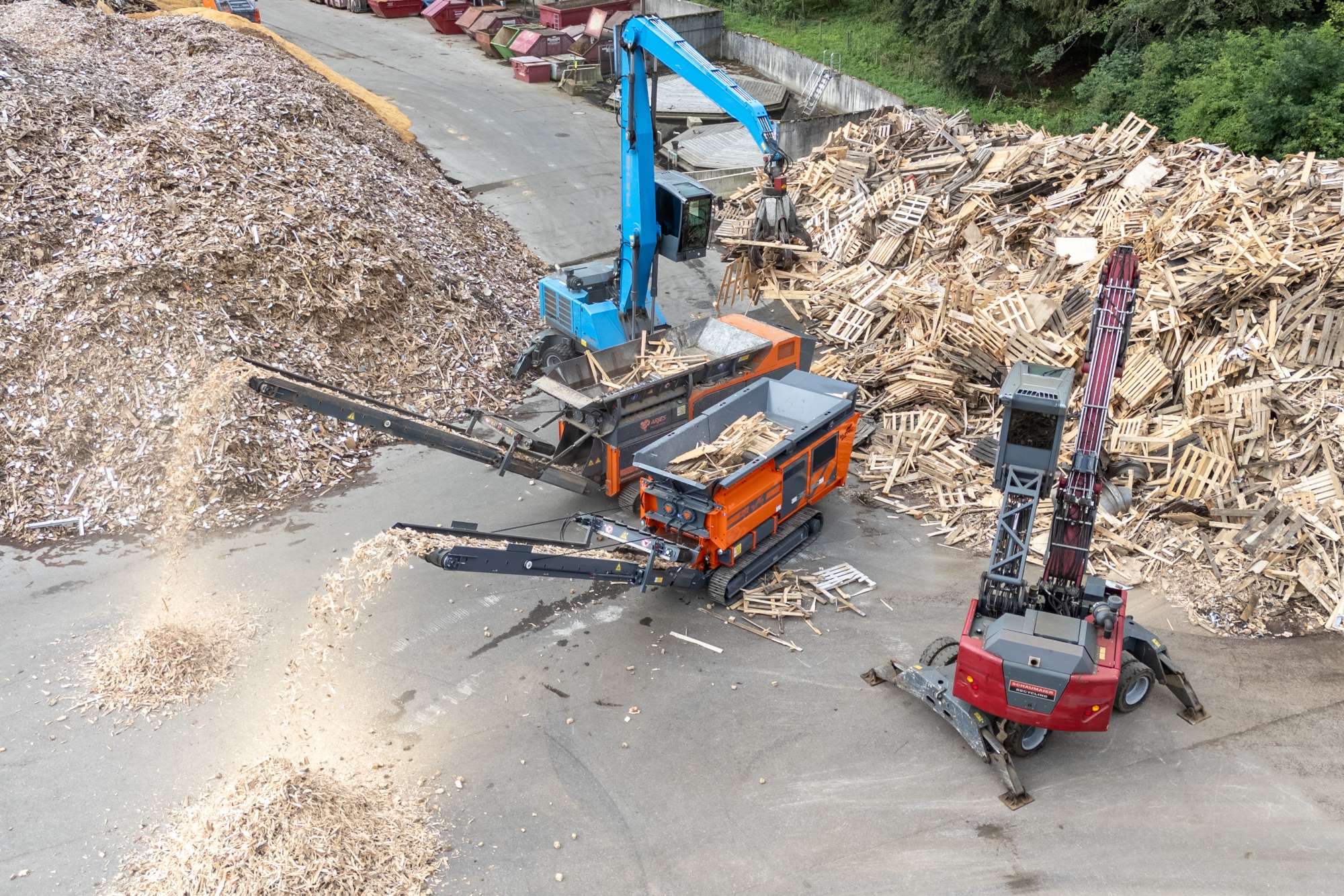
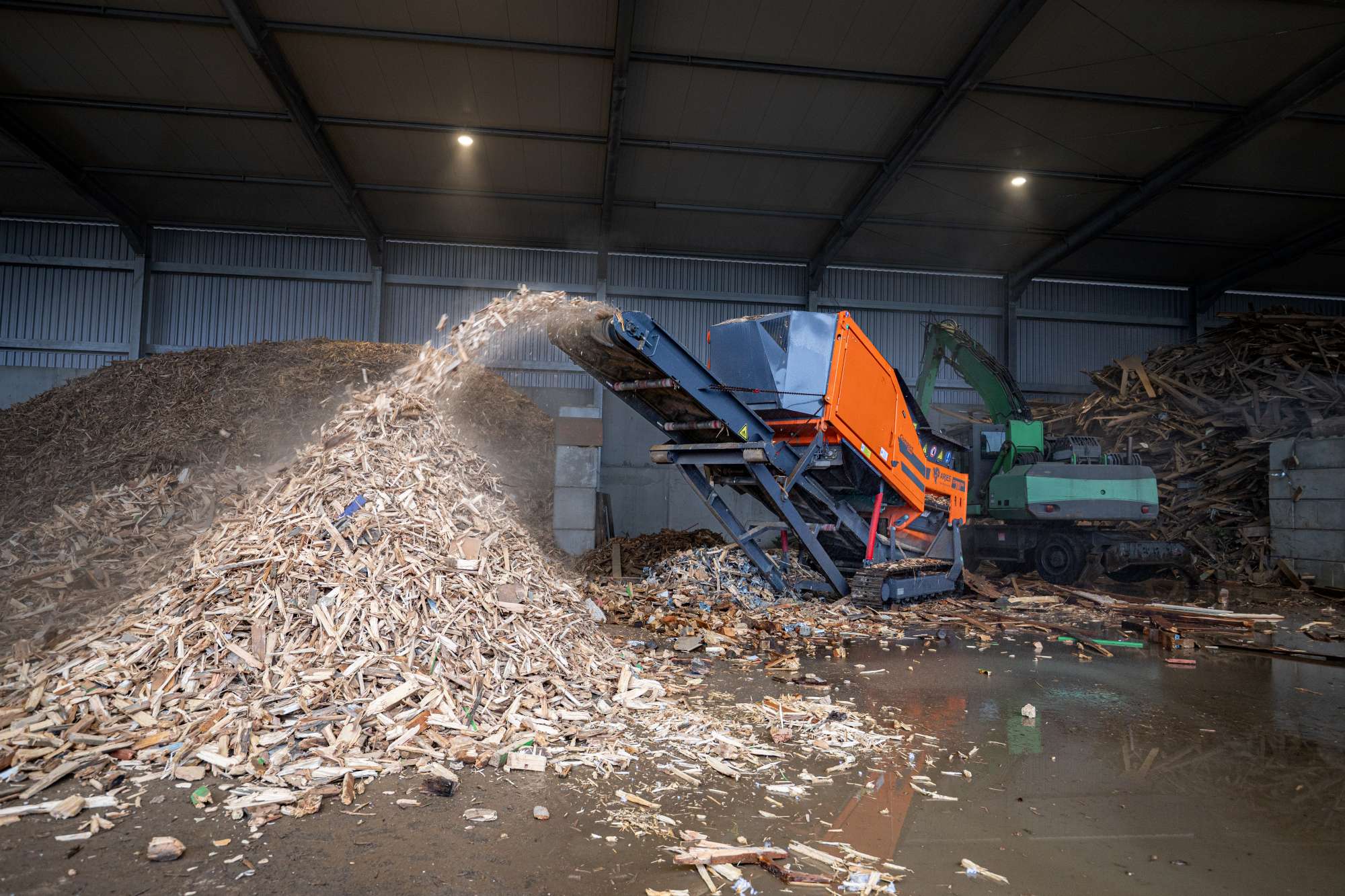
The shredders shred bulky wood, pallets or shrub cuttings, helping to prepare the material for downstream process steps.
Magnetic separator
After shredding, metals – nails, screws or small parts – can be removed from the material flow using an overband magnet.
Customisable performance classes
For small composting facilities, the compact COMPAKTOR 300 is suitable, for example. Larger operations rely on models such as the EKOMAXX 800 or even the TITAN 900 for industrial applications with enormous throughput volumes. All shredders can also be used as stationary systems with electric drive.
ARJES focuses on robust, user-friendly systems to support a stable circular economy in the long term. The wood residues or fibrous materials can then be sent to pulp and paper mills, where they are processed into new paper. Without this important intermediate step of shredding and sorting, a lot of recycled wood would simply be too unwieldy or too heavily contaminated to be recycled materially.

Paper production in Germany: A look at the industry
High recycling rate
Germany is one of the countries with the highest return volumes of waste paper. This promotes the development of an integrated circular economy.
Diverse products
In addition to typical office papers, large quantities of hygiene papers (e.g. kitchen rolls, tissues) and packaging materials are also produced here.
Resource conservation
Thanks to strict requirements and high energy and water costs, companies are striving for ever more efficient production.
Find out more about ARJES two-shaft shredders and discover how we can make wood and paper recycling efficient together. If you have any questions about our individual product types or custom solutions, we will be happy to help. Whether you operate on an industrial scale or, as a medium-sized company, want to make better use of your wood and paper waste: ARJES offers powerful, reliable and sustainable technologies to lay the foundation for future-proof paper production.